Are you struggling to find a reliable Chinese supplier? The process feels risky and overwhelming. You need a partner you can trust with your brand's quality and reputation.
The "best" factory isn't a name on a list. It's the one that perfectly matches your brand’s specific needs. This includes your product type, order quantity, quality standards, and long-term goals. The right fit minimizes your risk and ensures a successful partnership.
When I talk with overseas brands, they often ask for a list of the "top" factories. But I always tell them that's the wrong question. A factory that is perfect for a global luxury brand with massive orders might be a terrible fit for a startup needing a low minimum order quantity (MOQ). Instead of searching for a ranking, you should be searching for a partner. Let's break down how to find the right factory for your specific situation. This guide will help you look beyond the factory name and focus on what truly matters for a successful sourcing relationship.
How do you find a factory that actually specializes in your product?
You have a great design for a silk scarf, but the factory you found mainly produces ties. This mismatch can lead to poor samples, delays, and wasted money.
A true specialist understands the unique details of your product. Scarf factories excel at printing, color matching, and delicate hemming. Tie factories master construction, interlining, and achieving the perfect knot and drape. Choosing a specialist is your first step to ensuring quality.
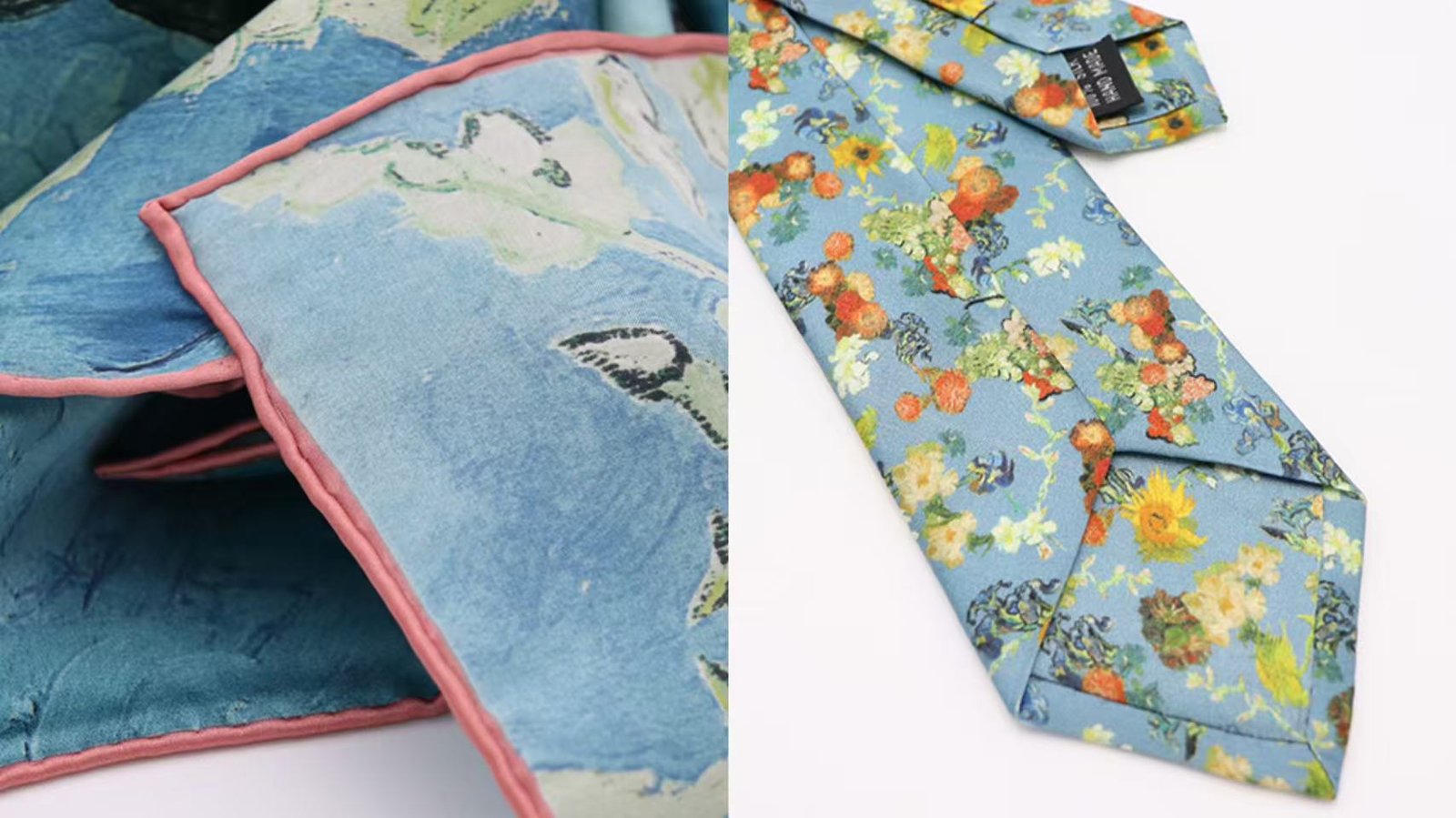
In my experience, many suppliers will say "yes" to everything. They want your business, so they claim to be experts in both scarves and ties. But these two products require very different skill sets and machinery. A buyer needs to verify a factory's core strength before committing. For example, silk scarves are all about the fabric and the surface design. The feel of the silk, the vibrancy of the print, and the finish of the edges are critical. A factory that specializes in scarves will have deep expertise in different silk weights, printing techniques like screen printing versus digital printing, and finishing options like hand-rolled hems.
On the other hand, ties are about construction. The right interlining gives a tie its weight and helps it create a beautiful dimple when knotted. The stitching, the shape, and the way the fabric is cut on the bias all contribute to a high-quality tie. A factory that just adds ties to its catalog might not understand these structural details.
Here is a simple way to think about it:
| Feature | Silk Scarf Focus | Necktie Focus |
|---|---|---|
| Core Skill | Fabric printing & finishing | Product construction & structure |
| Key Materials | Silk twill, satin, chiffon | Silk jacquard, printed silk, interlining |
| Critical Detail | Color accuracy, hand-rolled hems | Tie shape, knot performance, drape |
| Common Question | "Can you match this Pantone color?" | "What type of interlining do you use?" |
When you contact a potential supplier, ask them to show you examples of their best work for your specific product. If you're making ties, ask to see their ties. If their primary examples are scarves, that tells you where their real expertise lies.
What are the real risks when working with a new Chinese factory?
You've found a factory with a great price, but you're worried. Will the bulk order match the sample? Will they ship on time? Is your payment safe?
The biggest risks are not about price. They are about consistency, communication, and reliability. Key concerns include quality fading on bulk orders, missed deadlines, poor communication leading to mistakes, and unsafe payment terms. These issues can cost you more than you saved on the unit price.

The initial price quote is only one part of the total cost. From my years in sourcing, I've seen low prices hide much bigger problems that show up later. The first risk is Sample vs. Production Quality. A factory might create a perfect "golden sample" to win your business, but then cut corners on the bulk order by using slightly cheaper fabric or less careful stitching. The second major risk is Lead Time Reliability. Many factories give optimistic delivery dates to secure an order, but then face delays due to poor planning, raw material issues, or overbooking their production schedule. A delay can ruin a seasonal launch for your brand.
Communication is another huge factor. A small misunderstanding about a color or a measurement can lead to an entire batch of products being made incorrectly. This is especially risky if there's a language barrier or if your contact person at the factory isn't communicating effectively with the production team. Finally, financial security is essential. Paying 100% upfront to an unverified supplier is extremely risky. You need a payment structure that protects you.
Here’s how to spot and manage these common risks:
| Risk Area | What It Looks Like | How to Manage It |
|---|---|---|
| Quality Control | The bulk order quality is lower than the approved sample. | Request a pre-production sample. Define clear quality standards in your contract. Consider a third-party inspection before the final payment. |
| Communication | Vague answers, slow responses, mistakes from misunderstandings. | Provide a detailed "tech pack" with all specifications. Use simple, clear language. Confirm all key details in writing. |
| Lead Time | The factory keeps pushing back the shipment date. | Agree on a clear production timeline with milestones. Build buffer time into your own schedule. Include penalties for delays in your purchase order. |
| Payment Security | The supplier asks for 100% payment upfront. | Negotiate payment terms, such as 30% deposit and 70% after inspection or upon shipment. Use secure payment methods like Alibaba Trade Assurance. |
Why isn't the cheapest factory always the best choice?
You received two quotes. One is 30% cheaper. It's tempting to go with the lower price, but you wonder what you might be sacrificing for that saving.
A low price often means compromises in material, craftsmanship, or service. The factory might use a lower grade of silk, a cheaper printing method, or simpler finishing. These hidden trade-offs can damage your brand's reputation and lead to higher costs from returns or remakes.
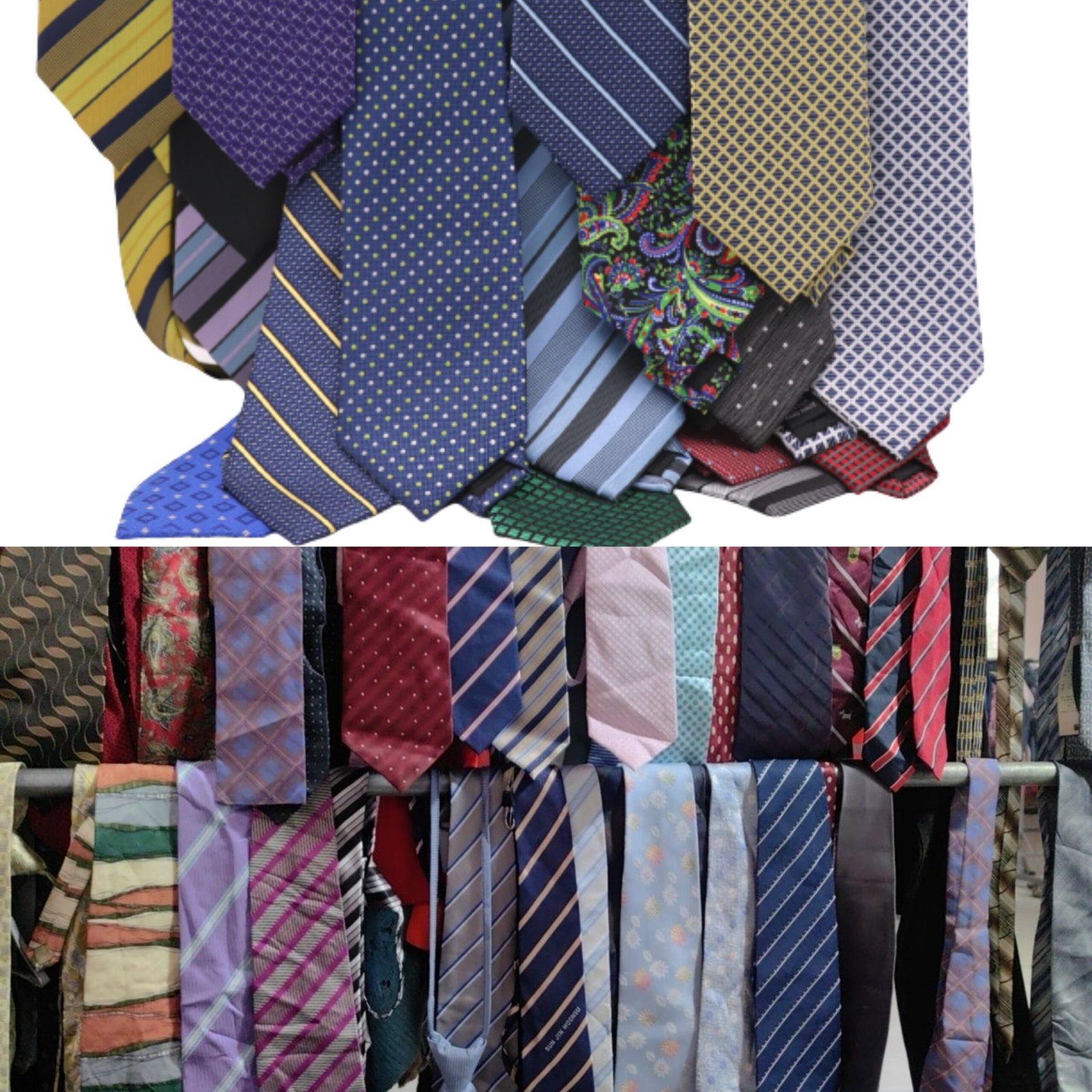
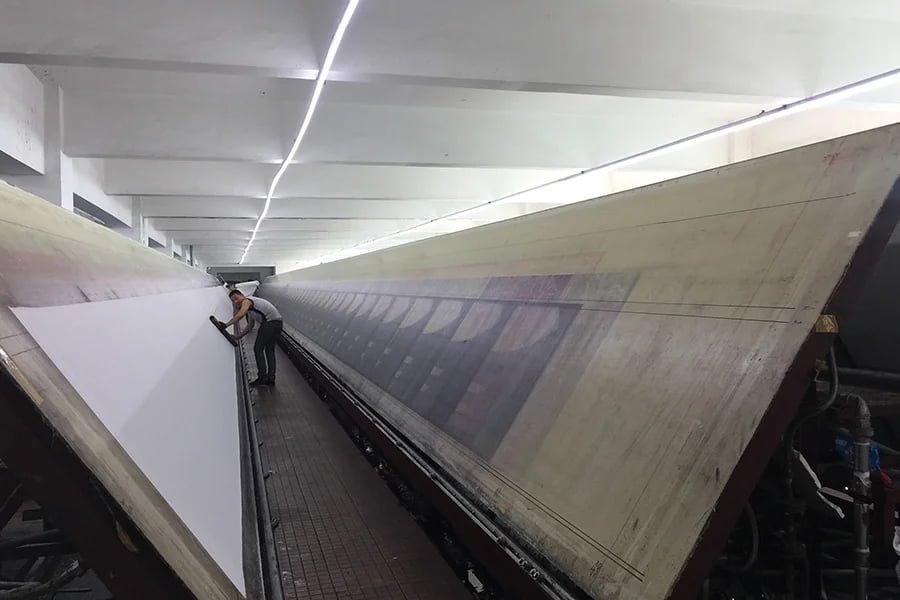
When I review quotes for clients, I always look beyond the final number. A price difference for a seemingly identical product, like a silk tie, often comes down to invisible details that have a huge impact on the final product. For example, the fabric might be described as "100% silk," but there are many grades of silk. A cheaper factory might use a thinner, less durable silk that doesn't feel as luxurious. The printing method is another factor. High-resolution digital printing is great for complex, small-batch designs, while traditional screen printing offers deep, vibrant colors for larger orders. A cheaper quote might be based on a method that doesn't suit your design.
The construction of the item is also key. For a tie, the interlining material determines its weight and how well it knots. A cheap polyester interlining will feel flimsy compared to a quality wool blend. For a scarf, a machine-stitched hem is fast and cheap, but a hand-rolled hem is a sign of true luxury and craftsmanship. These details are what your customers will notice.
Let's compare two potential quotes for a custom silk tie:
| Cost Component | Quote A (Lower Price) | Quote B (Higher Price) | What It Means for You |
|---|---|---|---|
| Fabric | 14mm Silk Twill | 16mm Silk Twill | Quote B offers a heavier, more luxurious feel. |
| Interlining | Polyester | Wool Blend | Quote B's tie will knot better and have a better drape. |
| Printing | Basic Digital Print | High-Res Digital Print | Quote B provides sharper details and better color accuracy. |
| Stitching | Standard Machine Stitch | Reinforced Tipping & Bartack | Quote B's tie is more durable and feels higher quality. |
| Service | Standard Email Support | Dedicated Account Manager | Quote B offers better communication, reducing the risk of errors. |
The cheaper option isn't "bad," but it's for a different market segment. Choosing the right one depends on your brand's positioning. If you're building a premium brand, investing in the quality of Quote B is essential. The lower price of Quote A comes with risks that could hurt your brand in the long run.
How can small brands and startups find the right factory?
You're launching a new brand, full of passion and great ideas. But every factory you contact asks for a minimum order quantity of 500 or 1000 pieces per design.
The key is to find a factory that values partnership over volume. Look for suppliers who offer flexible MOQs, specialize in digital printing (ideal for small batches), and are willing to grow with you. Their success should be tied to your success.
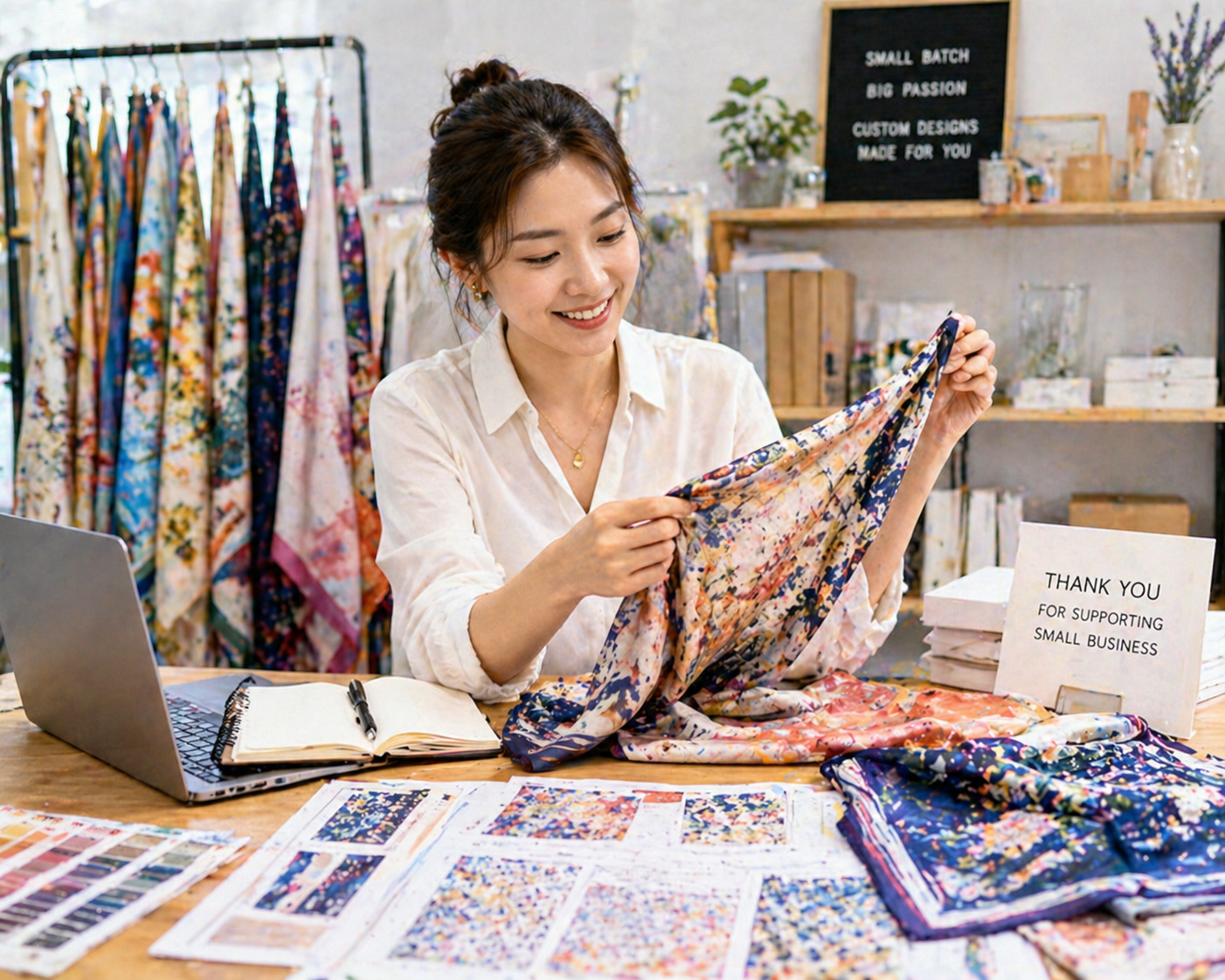
As a startup, your biggest challenge is often cash flow and inventory risk. You can't afford to order thousands of pieces of a design that might not sell. This is why finding a factory with a high MOQ is a dead end. The good news is that there are many excellent factories in China that are specifically set up to work with emerging brands. These factories have built their business model around flexibility and customization, not mass production.
The first thing to look for is a low or negotiable MOQ. Some factories might offer an MOQ as low as 50 or 100 pieces per design, especially if you are using digital printing. Digital printing technology is perfect for startups because it doesn't require the expensive setup of traditional screen printing, making small runs cost-effective.
Beyond the MOQ, you want a partner who understands the startup journey. This means they should offer a clear and affordable sampling process. You need to be able to test your designs without breaking the bank. They should also be great communicators, ready to offer advice and guide you through the production process. A good partner for a startup is one who sees the potential in a long-term relationship. They know that if they help you succeed with your first small collection, you will come back to them with larger orders as your brand grows. When you contact potential suppliers, be upfront about your situation. Explain that you are a new brand looking for a long-term production partner. Their response will tell you everything you need to know about whether they are the right fit.
What makes a factory a great long-term OEM/ODM partner?
Your first order went well, and now you're thinking about the future. How do you know if this factory can handle your growth and remain a reliable partner for years?
A great long-term partner offers more than just production. They provide consistency across all reorders, have the capacity to scale with your growth, communicate proactively, and manage export logistics smoothly. They become an extension of your own team.
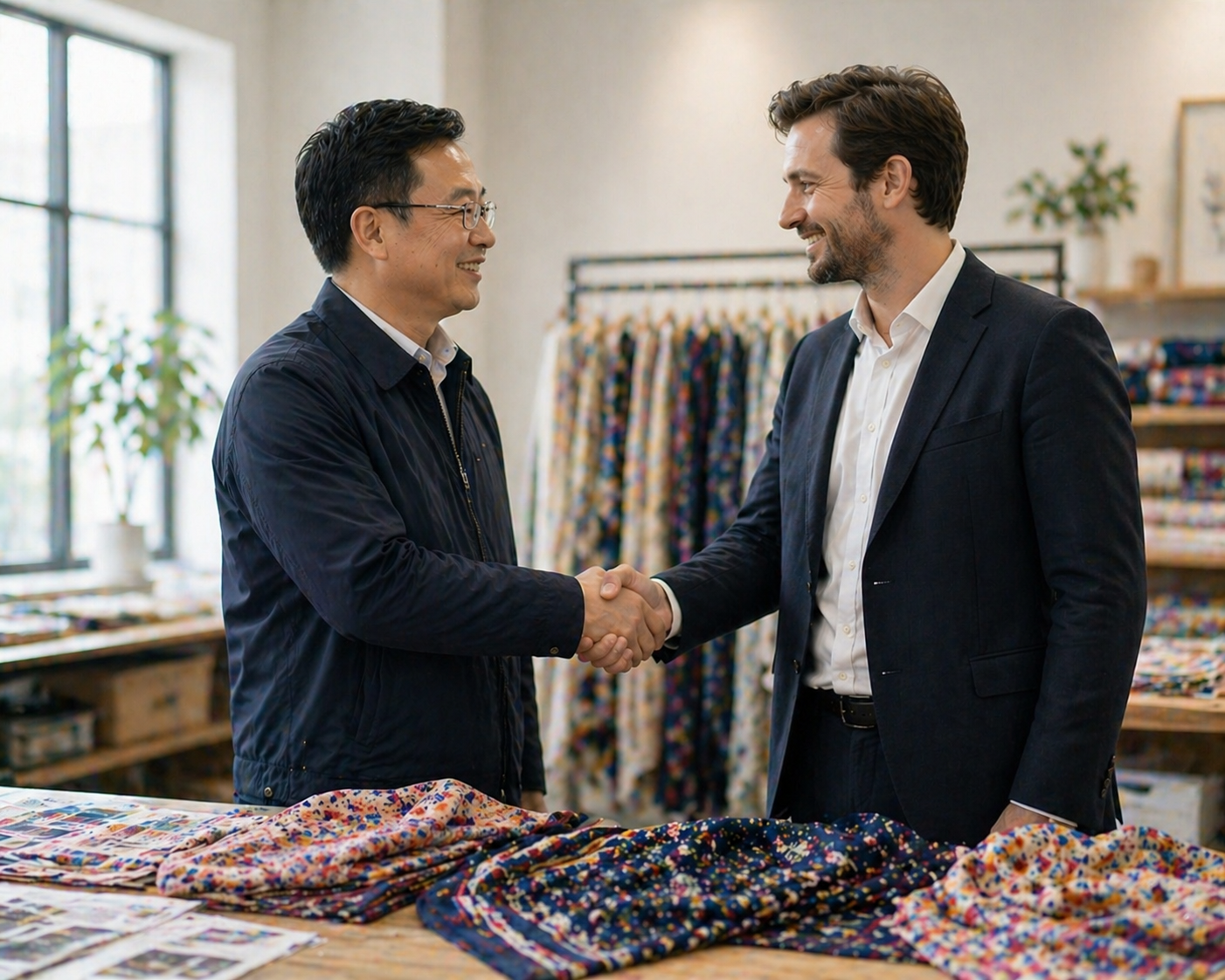
Finding a factory for a single order is one thing; finding a strategic partner for the long term is another. A true OEM/ODM partner contributes to your brand's success. The most important quality is Consistency. Can they produce the exact same color, fabric, and quality six months or a year from now? A good partner has strong quality control systems and proper documentation to ensure that every reorder matches the original approved sample. Ask them about their process for managing repeat orders.
Scalability is the next factor. As your brand grows, your order sizes will increase. You need a partner who can handle that growth without sacrificing quality or extending lead times. Discuss their production capacity and ask if they have experience working with brands that have scaled up. You don't want to be forced to find a new factory right when your brand is taking off.
Finally, look for Proactive Collaboration. A great partner doesn't just wait for your instructions. They might suggest a better fabric, a more cost-effective construction method, or warn you about a potential raw material shortage. They think ahead and help you solve problems before they happen. This level of service shows that they are invested in your success. They should also be experts in export documentation and logistics, making the process of getting your products from their factory to your warehouse as smooth as possible. When you find a supplier with these qualities, you haven't just found a factory; you've found a vital part of your business.
Conclusion
Finding the "top" factory isn't about a ranking. It's about finding the right partner whose capabilities perfectly align with your brand's vision, quality standards, and business goals.